

A fire in your home can turn your life upside down in minutes. The stress of dealing with damage, insurance claims, and uncertain next steps can feel overwhelming.
You can absolutely sell a fire-damaged house, and you have three main options: repair the damage before selling, sell the property as-is, or sell the land only.
Each path has different costs, timelines, and benefits depending on your situation.
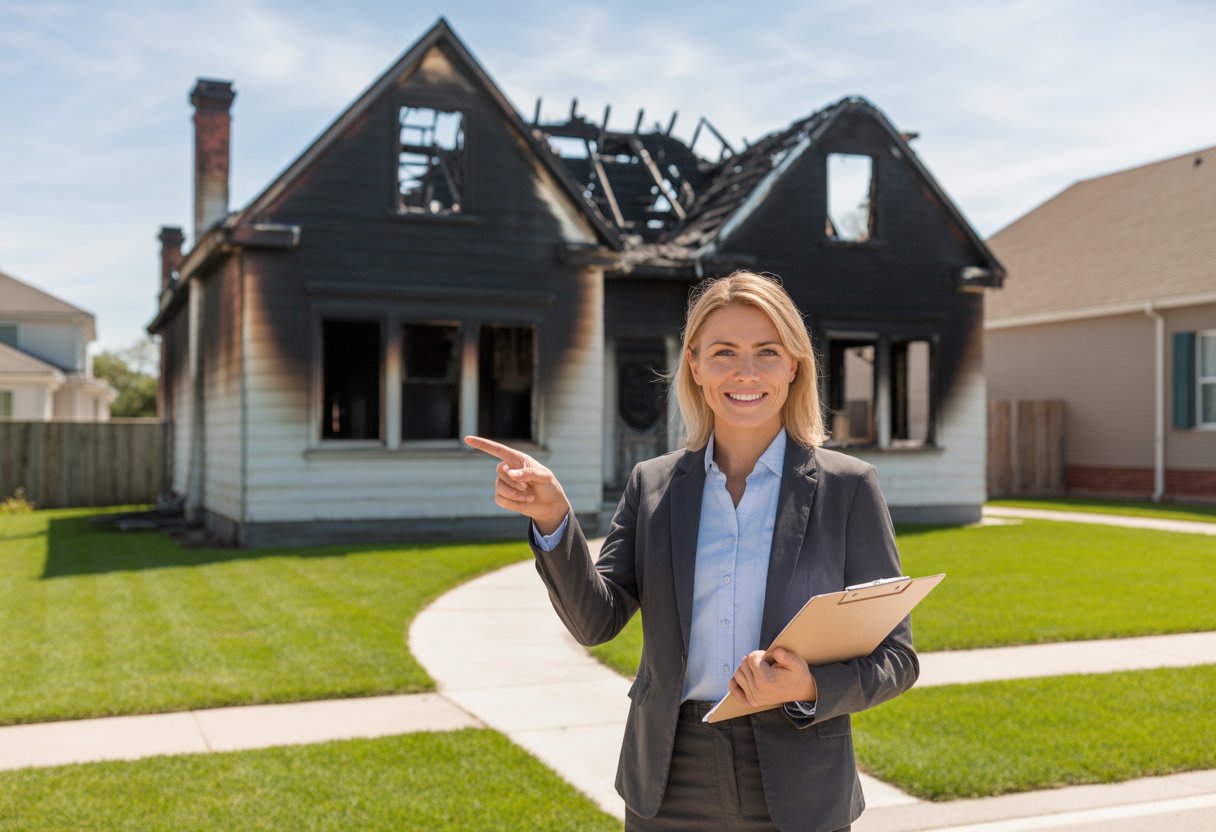
The right choice depends on how much damage your house has, your financial situation, and how quickly you need to sell. Some homeowners choose to make repairs and get a higher sale price.
Others prefer to sell as-is to cash buyers or investors who will handle the repairs themselves. If the damage is severe, selling just the land might make the most sense.
This guide will walk you through the entire process. You’ll learn what steps to take after a fire, how to evaluate your options, what buyers look for in fire-damaged properties, and how to protect yourself legally during the sale.
Key Takeaways
- Take immediate steps after a fire by documenting damage, filing insurance claims, and getting professional assessments before making any selling decisions
- Compare all three selling options using actual numbers from repair estimates, insurance payouts, and property values to find what gives you the best financial outcome
- Sell faster by working with experienced professionals, pricing realistically based on current condition, and fully disclosing all fire damage to potential buyers
Immediate Steps After a House Fire
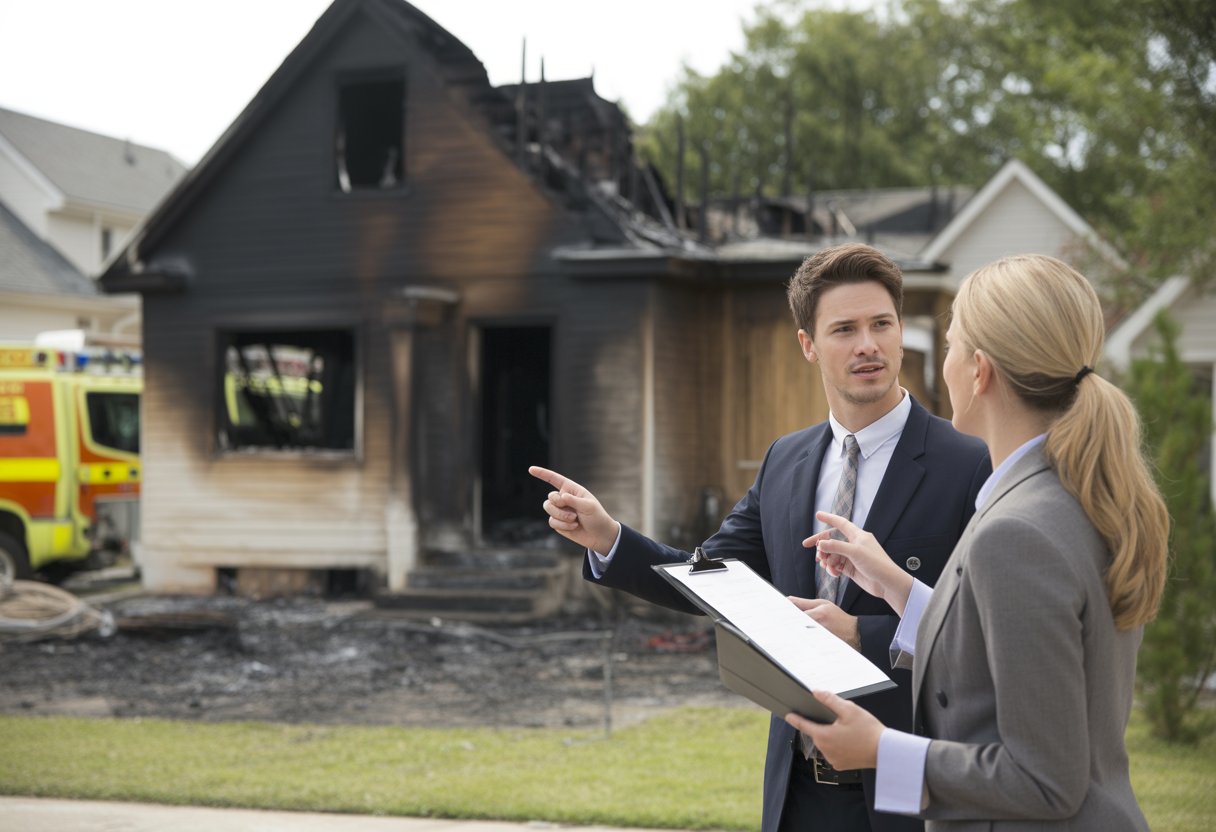
The hours and days after a fire determine how smoothly you can sell your property. Taking quick action protects your legal rights, preserves evidence for your insurance claim, and sets the foundation for whatever selling option you choose.
Ensuring Safety and Securing the Property
Do not enter your property until local authorities give you permission. Fire departments in Birmingham, Huntsville, Pensacola, and other cities must clear the structure before you can safely return.
Once cleared, secure the property immediately. Board up broken windows and damaged doors to prevent unauthorized entry.
Theft and vandalism are common problems with fire-damaged homes, especially in urban areas. Place “No Trespassing” signs around the perimeter.
Change any locks that still function. If the damage is severe, hire a security service to monitor the property until you sell.
Contact your mortgage lender within 24-48 hours to inform them of the fire. Most lenders require notification and may have specific requirements about securing the property.
Keep the utilities off unless instructed otherwise by professionals conducting inspections.
Documenting Damage for Insurance and Buyers
Take extensive photos and videos of every room before anyone touches anything. Capture wide shots of each space and close-ups of specific damage to walls, ceilings, floors, appliances, and structural elements.
Document smoke damage, water damage from firefighting efforts, and any items destroyed. This evidence supports your insurance claim and helps appraisers determine accurate values.
Create a written inventory of damaged or destroyed items with estimated values. Include receipts or purchase records when possible.
Save all documentation in both digital and physical formats. This documentation becomes critical whether you repair and sell or pursue options to sell my house fast in Birmingham, Huntsville, Pensacola, or other markets.
Buyers and investors need detailed damage reports to make fair offers.
Contacting Insurance Providers and Gathering Reports
File your insurance claim within 24 hours of the fire. Most policies require prompt notification.
Delays can complicate or even jeopardize your claim. Request a copy of the fire department report.
This official document describes the fire’s cause, extent, and any code violations discovered. You’ll need this for insurance, buyers, and legal disclosures.
Ask your insurer these specific questions:
- What is my coverage amount for structural repairs?
- Will I receive payment upfront or reimbursement after repairs?
- Does my policy cover additional living expenses?
- Are there depreciation deductions?
Hire your own professional inspector to assess damage separately from the insurance company’s adjuster. Independent assessments often reveal damage insurers miss.
Compare both reports to ensure you receive full compensation. Keep all correspondence with your insurance company in a dedicated folder.
Track claim numbers, adjuster names, and conversation dates. This organized approach protects you if disputes arise and helps you decide whether to sell as-is or make repairs first.
Evaluating Fire Damage and Selling Options
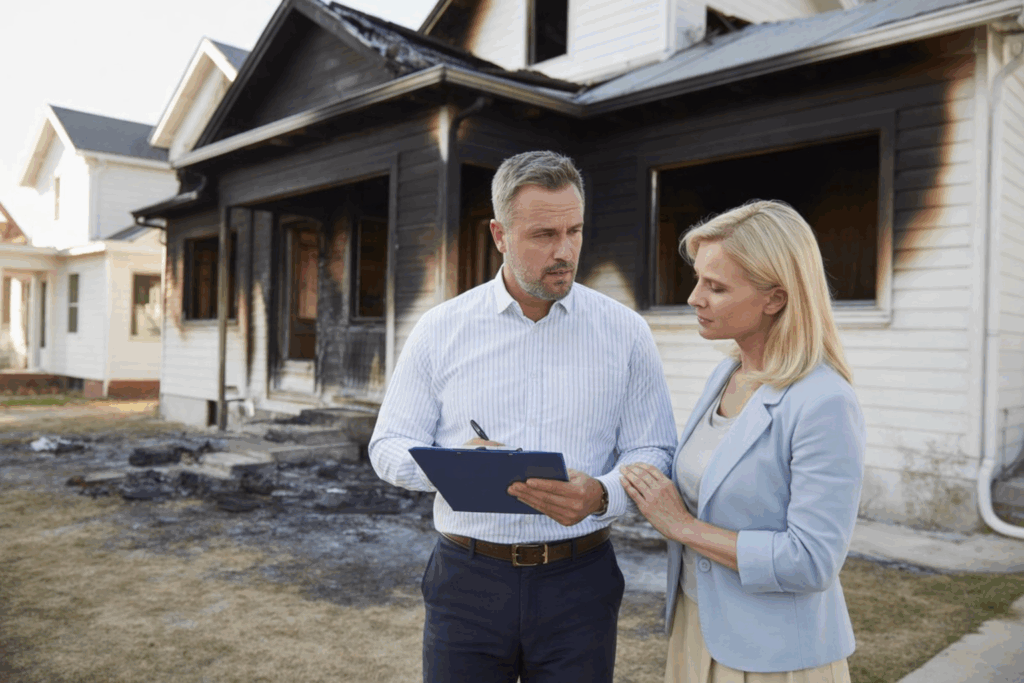
Before you can sell your fire damaged house, you need to understand the full extent of the damage and which selling path works best for your situation. A proper damage assessment determines your property’s value and influences whether you repair before selling or move forward as-is.
Professional Inspection and Damage Assessment
A professional fire damage inspection gives you an accurate picture of what you’re dealing with. An inspector examines structural integrity, smoke contamination, water damage from firefighting efforts, and potential safety hazards like compromised electrical systems or weakened support beams.
The inspection report breaks down damage into three categories. Flame damage affects the physical structure of your home, including walls, roofs, and foundations.
Smoke damage leaves soot and odors that penetrate insulation, ductwork, and building materials. Water damage occurs when firefighters extinguish the blaze, leading to mold growth and material degradation.
This assessment helps you price your property accurately. In markets like Birmingham, Huntsville, or Pensacola, local inspectors familiar with regional building codes can identify issues specific to your area.
Without a professional inspection, you risk underpricing your property or facing legal issues if you miss required disclosures.
Understanding Repair Costs Versus Selling As-Is
Repair costs for fire damage typically range from $3,000 for minor smoke cleanup to $51,000 or more for severe structural work. You need to compare these costs against your potential sale price to make an informed decision.
Minor damage (kitchen fires, small room fires): $3,000 to $15,000 for cleanup and cosmetic repairs. Moderate damage (multiple rooms, some structural issues): $15,000 to $35,000 for remediation and repairs.
Severe damage (structural compromise, entire floors affected): $35,000 to $100,000+ for full restoration. Calculate your net proceeds for each option.
If repairs cost $40,000 and only add $30,000 in value, you lose money. Selling as-is eliminates repair costs, carrying costs during renovation, and the uncertainty of finding a buyer after disclosure.
Companies that buy houses fast in Pensacola, Huntsville, or Birmingham purchase properties in any condition, which means you skip the repair process entirely and close in days instead of months.
Legal Disclosure and Required Permits
You must disclose fire damage to potential buyers in almost every state. Failing to disclose known damage can result in lawsuits even after closing.
Your disclosure should include the date of the fire, extent of damage, repairs completed, and any remaining issues.
Required disclosures typically include:
- Fire incident date and cause
- Areas affected by flames, smoke, or water
- Structural damage and repairs made
- Insurance claim status and settlement amount
- Any ongoing issues like smoke odor or mold
If you completed repairs before selling, you need permits for major work like electrical, plumbing, or structural modifications. Building departments require inspections to verify work meets current codes.
Missing permits can derail a sale during the buyer’s due diligence or title search. When you sell my house fast in Birmingham or other cities, cash buyers handle permit research and typically purchase properties regardless of permit status, though this may affect the offer price.
How to Sell a Fire-Damaged House Fast
Selling a fire-damaged house quickly requires choosing the right buyer type and sales method for your situation. Cash buyers and specialized investors can close in days, while traditional marketing takes longer but may bring higher offers if you target the right audience.
Selling As-Is to Cash Buyers and House Buying Companies
Cash buyers and house buying companies offer the fastest path to selling your fire-damaged property. These buyers purchase homes in any condition without requiring repairs or renovations.
You can typically close in 7-14 days instead of waiting months through traditional sales. Companies that advertise “we buy houses Alabama” or “we buy houses mobile al” specialize in damaged properties.
They handle all paperwork and often cover closing costs. You won’t need to clean up smoke damage, replace burned materials, or worry about passing inspections.
The trade-off is a lower sale price. Cash buyers typically offer 50-70% of the after-repair value because they factor in renovation costs and profit margins.
However, you avoid repair expenses, holding costs, and the uncertainty of finding a traditional buyer willing to take on a damaged property. If you need to “sell my house fast Pensacola,” “sell my house fast Huntsville,” or “sell my house fast Birmingham,” cash buyers provide immediate liquidity.
This works well when you face foreclosure, need to relocate quickly, or can’t afford extensive repairs.
Working with Specialized Agents or Investors
Real estate agents who know their way around distressed properties can figure out how to price and position fire-damaged homes. They’ve got networks—contractors, flippers, investors—always on the lookout for renovation projects.
These agents understand local disclosure rules, which saves you from legal headaches. Investors, meanwhile, often buy fire-damaged places directly or through an agent.
They’re usually searching for homes that still have solid bones, even if the place looks rough. An experienced agent will spot what’s still valuable and market those strengths.
Your agent manages showings, negotiates, and deals with insurance if it comes up. Sometimes, they’ll suggest a few minor repairs that can really bump up your selling price—without draining your wallet.
Marketing Fire-Damaged Properties Effectively
When you’re selling a fire-damaged house, you have to be upfront about what happened. But that doesn’t mean you can’t showcase what’s left—good structure, solid location, big lot, or maybe some upgrades that survived the fire.
It makes sense to aim your marketing at renovation pros and real estate investors, not your average homebuyer. List on investor-friendly platforms as well as the usual MLS sites.
Share detailed damage reports and repair estimates so buyers know what they’re getting into. Use honest photos that show both the rough spots and the potential.
Price it based on other distressed sales nearby, not what it was worth before the fire. If there’s an insurance payout that can go to buyers, or permits already pulled, highlight that—those are big selling points.
Choosing the Best Solution for Your Situation
Honestly, your best move depends on three things: how bad the damage is, your finances, and how fast you need to get out. No two situations are quite the same.
When to Repair Before Selling
Fixing up before selling can make sense if you’ve got the funds and time. Generally, if repairs will run you between $3,000 and $51,000 and you want top dollar, it’s worth considering.
If you have a good chunk of equity in your home, investing in repairs could pay off with a higher sale price and attract buyers who need conventional loans.
Repairs make sense when the damage is mostly cosmetic—smoke stains, maybe a few minor structural issues. You’ll need to wrangle permits and inspections, but at least buyers get peace of mind.
Depending on how much work is needed, this route can take three to nine months. Keep every scrap of documentation—buyers want to see it. In places like Birmingham, Huntsville, or Pensacola, a well-restored home can compete with undamaged ones.
When to Sell As-Is for Speed
If you’re in a hurry or can’t afford repairs, selling as-is is often the way to go. Those “we buy houses” companies in Alabama and Mobile snap up fire-damaged homes just as they are.
Go this route if the repair bill is more than you can handle or you don’t have much equity. Investors and cash buyers love projects, especially in spots where they can add value.
With as-is sales, you’re usually looking at 30 to 90 days from listing to closing. You’ll get less money, but you dodge repair costs and long waits.
If you’re Googling “sell my house fast” in Pensacola, Huntsville, or Birmingham, these buyers can move quickly. They know how to price fire damage and aren’t scared off by repairs.
Key Takeaways for Fire-Damaged Property Sellers
Get professional assessments before you make any decisions. You need to know the real numbers on damage and value—guesswork just leads to regrets.
Calculate the numbers for each selling route. Stack up insurance payouts, repair costs, and possible sale prices to see which path actually puts more money in your pocket.
Understand disclosure requirements in your state. Hiding fire damage is a recipe for lawsuits. Working with an experienced agent keeps you covered.
Match your timeline to your method. If you’re in a rush, go for as-is buyers or those “we buy houses” outfits. Got more time? Repairs could mean better returns.
Frequently Asked Questions
Selling a fire-damaged house brings up a lot of tricky questions—legal, financial, and just plain practical. Knowing the ins and outs of disclosure, pricing, repairs, permits, financing, and how the market sees your property can help you make a decent decision.
Do I have to disclose past fire damage to potential buyers, and what documentation should I provide?
Yes, you’re legally required to disclose fire damage to buyers in every state. If you don’t, you could get sued—even long after the sale closes.
You’ll need to give a full history of the fire: when it happened, what caused it, and how much damage was done to the structure, electrical, and HVAC systems.
Share any professional damage assessments from inspectors or engineers. These reports can reveal issues you can’t see, like smoke inside the walls or weakened framing.
If you did repairs, disclose exactly what was done. Include permits, contractor info, and inspection reports to show the work meets code.
Hang onto your insurance claim paperwork and settlement details. Buyers and their lenders will probably want to see all of that before closing.
How should a fire-damaged property be priced, and what factors most affect the valuation?
Fire-damaged homes usually sell for 20-80% of what they’d be worth untouched, depending on how bad it is. The pricing depends on whether you fix it up or sell as-is.
Structural damage is the big one. Minor smoke or cosmetic issues don’t drag the price down as much as problems with the foundation or roof.
Location matters a lot, too. If you’re in a hot area with high land value, you might still get a decent price even if the house is in rough shape.
Get a pro appraisal that tells you both the pre-fire and as-is value. It’s better than guessing or relying on wishful thinking.
Check the after-repair value by looking at similar homes in your area. Subtract repair costs to see what investors might realistically offer.
Think about who’s buying. As-is sales mostly draw investors, and they expect a 20-40% discount to cover repairs and make a profit.
Is it better to repair the damage before listing, or sell the property as-is to an investor?
It really depends on your finances, the extent of the damage, and how much equity you have. Each route has its own costs, timeline, and potential payoff.
Repairs make sense if you’ve got the cash and want the highest sale price. In 2025, fire repairs usually run $3,000 to $51,000. This path takes 3-9 months but brings in more buyers and higher offers.
Selling as-is fits when you’re short on equity, can’t afford repairs, or need to move fast. It’s usually a 30-90 day process, and you keep any insurance payout, skipping the hassle of repairs.
Fix it first if the repairs are minor and the cost is way less than the value they’ll add. For instance, spending $15,000 to boost your sale price by $40,000 is a no-brainer.
But if repairs cost more than they’ll add—or more than the house was worth before the fire—selling as-is is probably smarter. Also, if you need to relocate fast, don’t get bogged down in months of repairs.
If the house is a total loss but the land’s valuable, selling the lot alone can make sense. Sometimes, the numbers just don’t work for fixing it up.
What permits, inspections, and code requirements typically apply after a fire before a home can be sold?
After a fire, you’ll need proper permits for any repairs. Skipping permits is asking for legal trouble, and it’ll make selling the place a nightmare.
Structural repairs need building permits—walls, roofs, foundations. Electrical work? Separate permits for that. Plumbing repairs? Same deal.
Your local fire department might want a final inspection before you can get an occupancy permit. They’ll check that the fire damage was actually fixed and the place is safe.
All permitted work has to be signed off by a building inspector. They’re making sure everything meets current codes, which might be stricter than when the house was built.
Keep all permit and inspection records handy. Buyers and their lenders will definitely ask to see them.
Some places want extra inspections—HVAC, electrical safety, or even a structural engineer’s sign-off for big repairs. It’s a lot, but it keeps everyone safe.
How do buyers and lenders handle financing and insurance for a property with prior fire damage?
Most conventional lenders won’t touch a fire-damaged home that’s being sold as-is. That means you’re mostly dealing with cash buyers or people using special renovation loans.
FHA 203(k) and Fannie Mae HomeStyle loans let buyers finance both the purchase and repairs. These buyers might pay more than cash investors, but closings take longer—think 45-60 days.
Cash buyers and investors snap up most fire-damaged homes sold as-is. They close fast—sometimes in a week or two—but usually offer 20-40% below market value.
If you do all the repairs before listing, you open the door to traditional buyers with regular mortgages and better interest rates. That’s a big plus.
Getting insurance for a home with fire history can be tough and expensive. Some companies won’t touch it; others will, but they’ll charge a premium.
Buyers will want proof that repairs were done right, with all the permits and inspections. Lenders and insurers are going to ask for that too before they sign off on anything.
How does a past fire typically affect neighborhood property values and buyer demand?
A fire-damaged house on your street can temporarily lower nearby property values by 2-4%. This usually lasts until the place is repaired or sold, though honestly, it depends a lot on how obvious the damage is—and how long that property just sits there, looking rough.
If the fire damage is visible and stays unaddressed for months, neighbors start to worry. Boarded windows and charred walls, maybe an overgrown yard… all of that screams neglect and tends to scare off buyers who might otherwise be interested in your neighborhood.
Buyer demand for your specific property? That hinges on disclosure and how well the repairs were handled. If buyers see solid proof of professional repairs—permits, documentation, the works—they’re way more likely to feel comfortable making an offer.
Some folks just won’t touch homes with a fire history, no matter what. Others might be open to it if everything looks good and the price is right.